 FREE SHIPPING OVER $149


Edible Mushrooms in Michigan: A Forager’s Guide
edible mushrooms in michigan offers a rich landscape for wild mushroom enthusiasts. From dense hardwood forests to moist riverbanks, the state creates perfect growing conditions for many edible species. Because of its diverse ecosystems and four distinct seasons, edible mushrooms in Michigan thrive from early spring through late fall. As a result, both beginners and experienced foragers find exciting opportunities across the region.
Why Michigan Is Ideal for Wild Mushrooms
Michigan’s climate supports fungal growth in remarkable ways. Warm summers, consistent rainfall, and forested terrain encourage healthy mushroom development. Moreover, the abundance of oak, maple, and birch trees provides essential nutrients for prized edible varieties. Consequently, many mushroom hunters consider Michigan one of the Midwest’s top foraging destinations.
Morel Mushrooms: The Spring Treasure
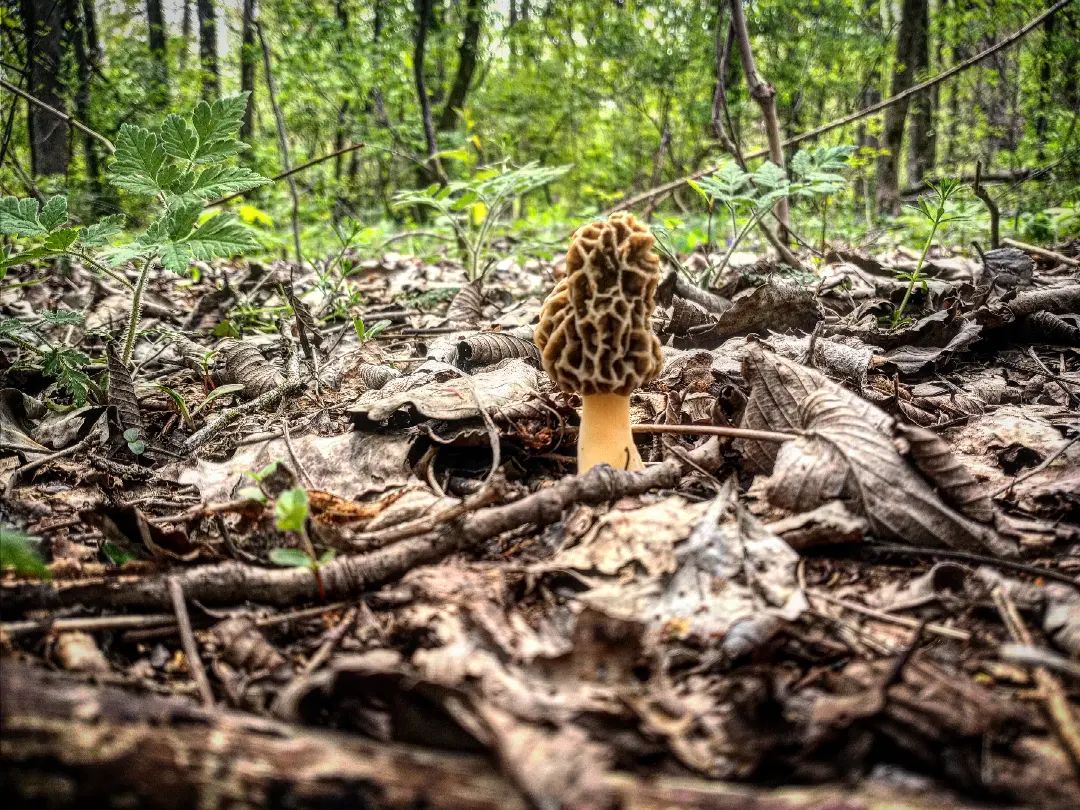

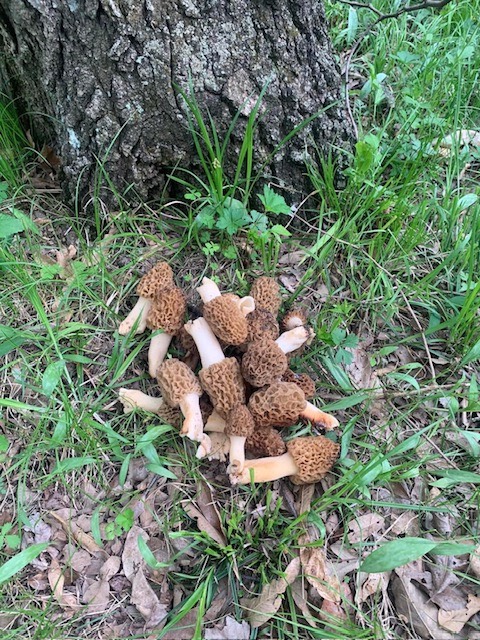
Morel mushrooms appear in early spring and attract thousands of foragers each year. These honeycomb-textured mushrooms grow near hardwood trees and recently burned areas. Because of their rich, nutty flavor, chefs prize morels in gourmet dishes. However, you must carefully identify them, since false morels can cause illness.
Chanterelle Mushrooms: Golden Summer Finds
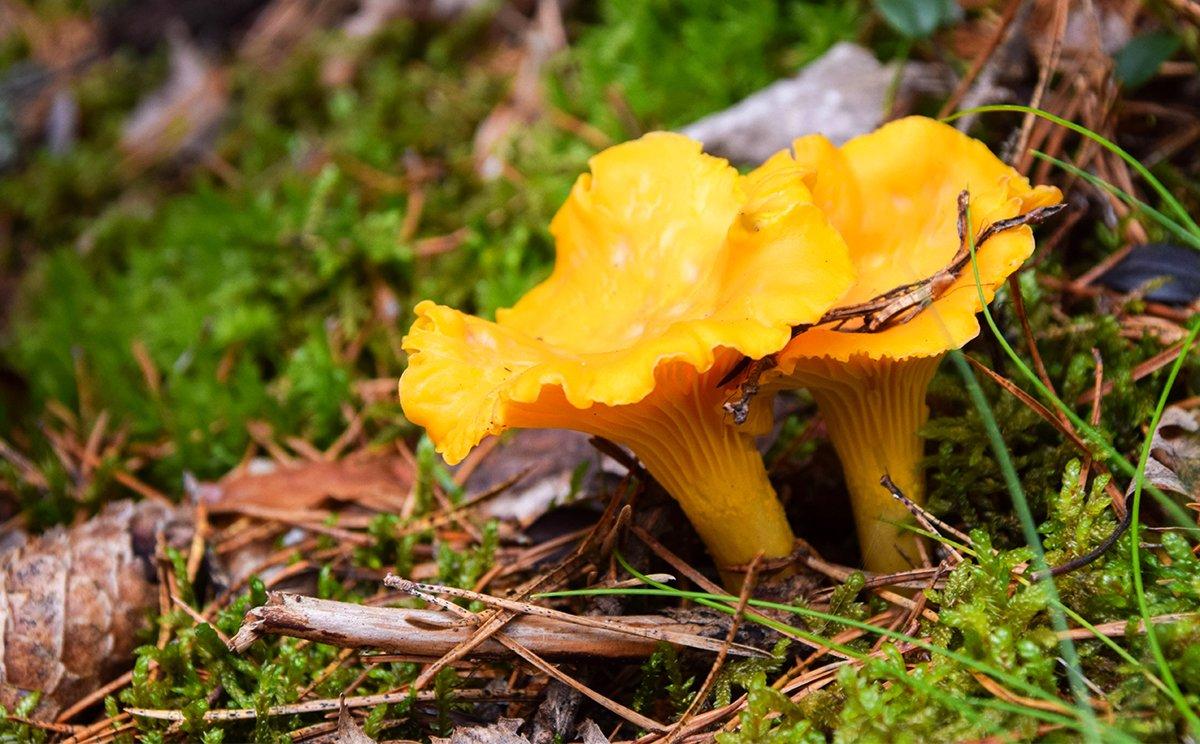


Chanterelles brighten Michigan forests during summer with their golden color. These funnel-shaped mushrooms grow in mossy hardwood areas. In addition, they offer a fruity aroma and delicate taste. Foragers often sauté chanterelles with butter to enhance their natural flavor.
Chicken of the Woods: A Vibrant Favorite

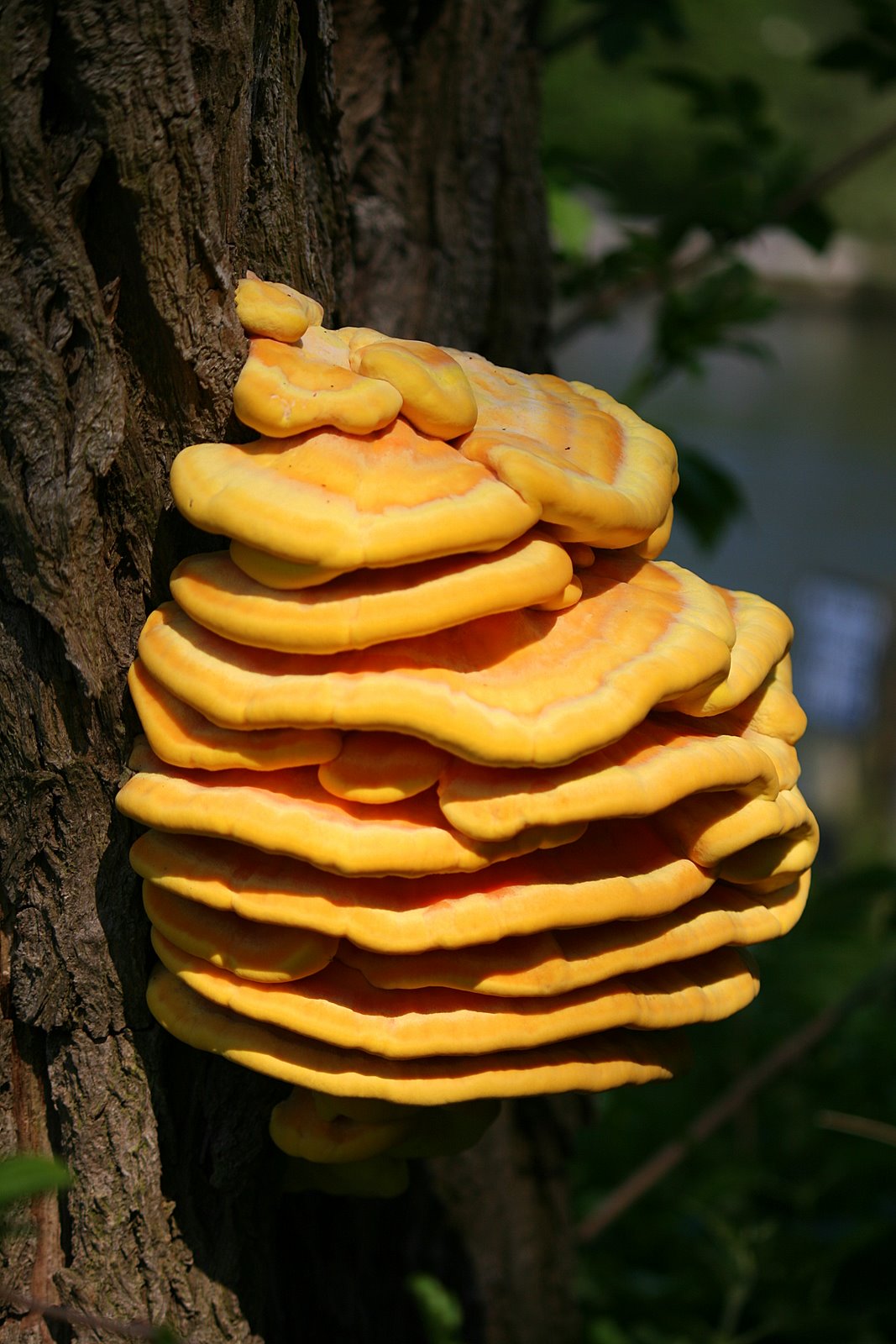
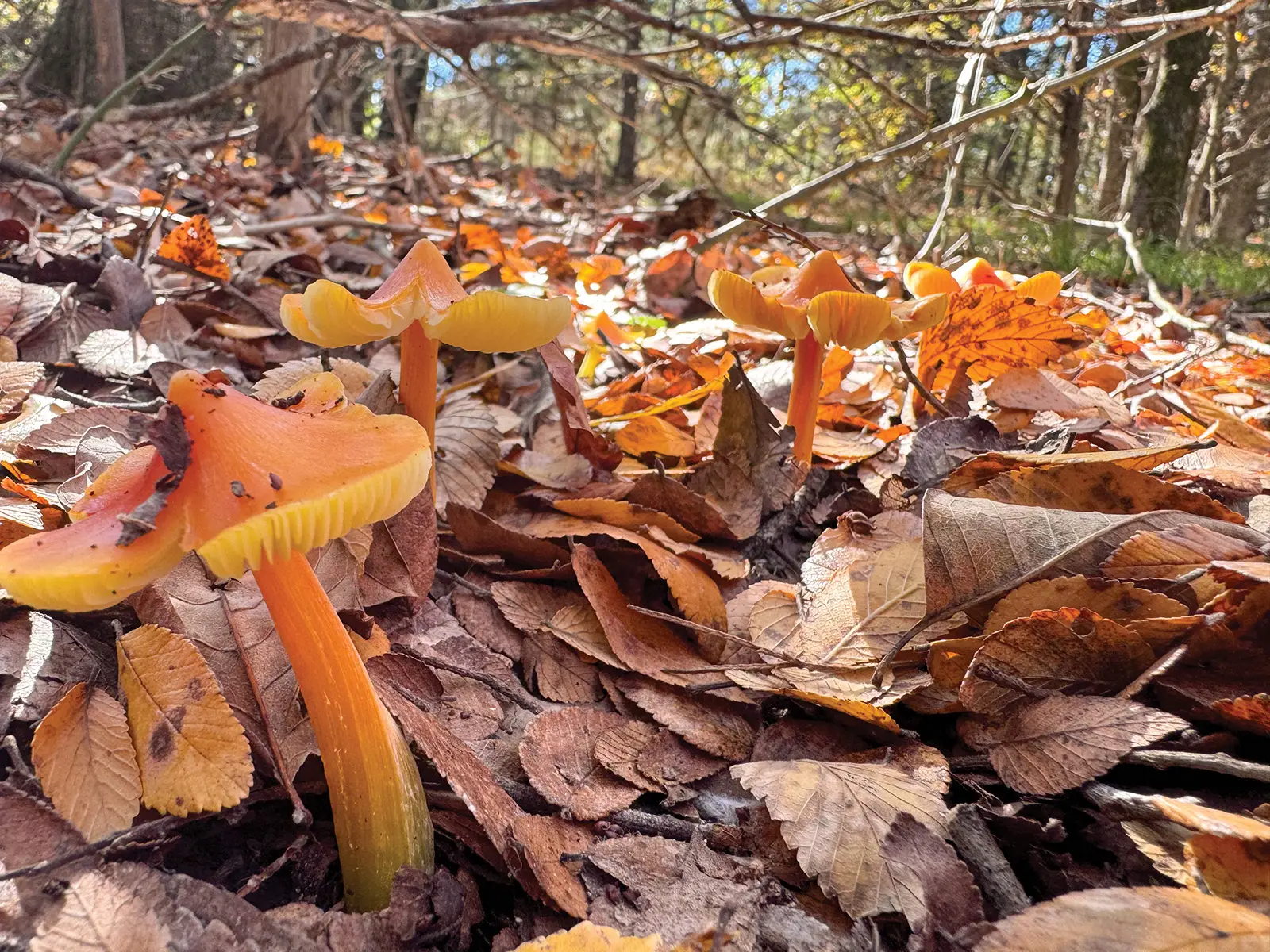
Chicken of the Woods grows on hardwood trees from late spring through fall. Its bright orange shelves stand out against tree bark. Because its texture resembles chicken, many vegetarians use it as a meat substitute. Always harvest young, tender growth for the best flavor and texture.
Hen of the Woods: The Autumn Giant


Hen of the Woods, also called maitake, flourishes in early autumn. It typically grows at the base of mature oak trees. Furthermore, large clusters can weigh several pounds. Cooks roast or sauté this mushroom to highlight its earthy, robust taste.
Oyster Mushrooms: Easy to Identify
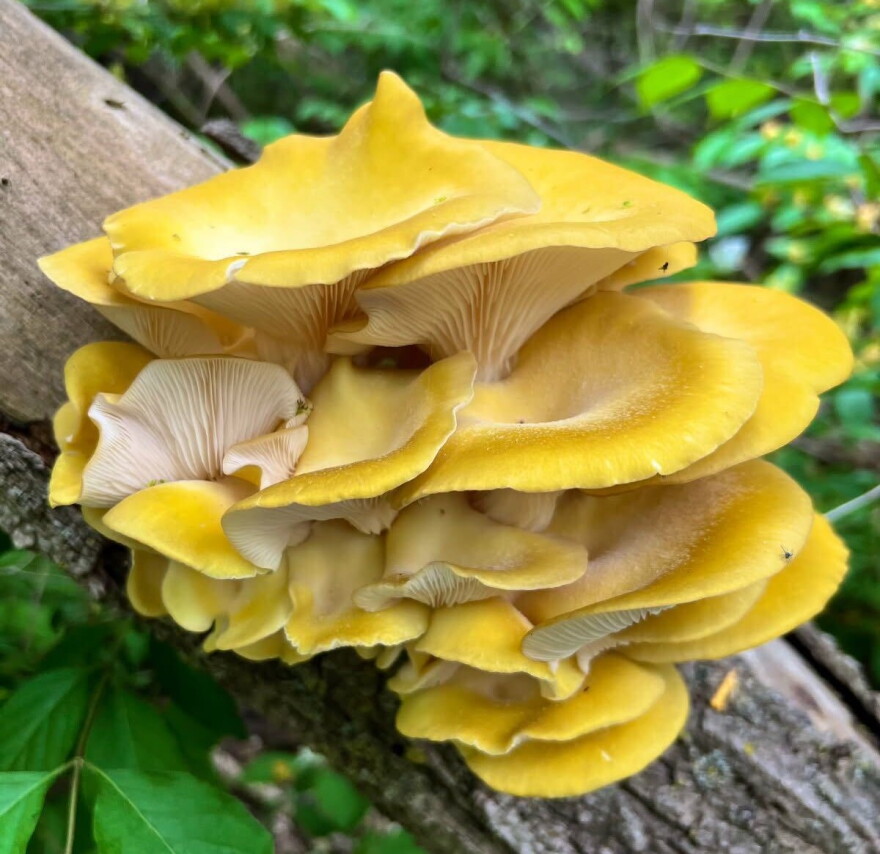

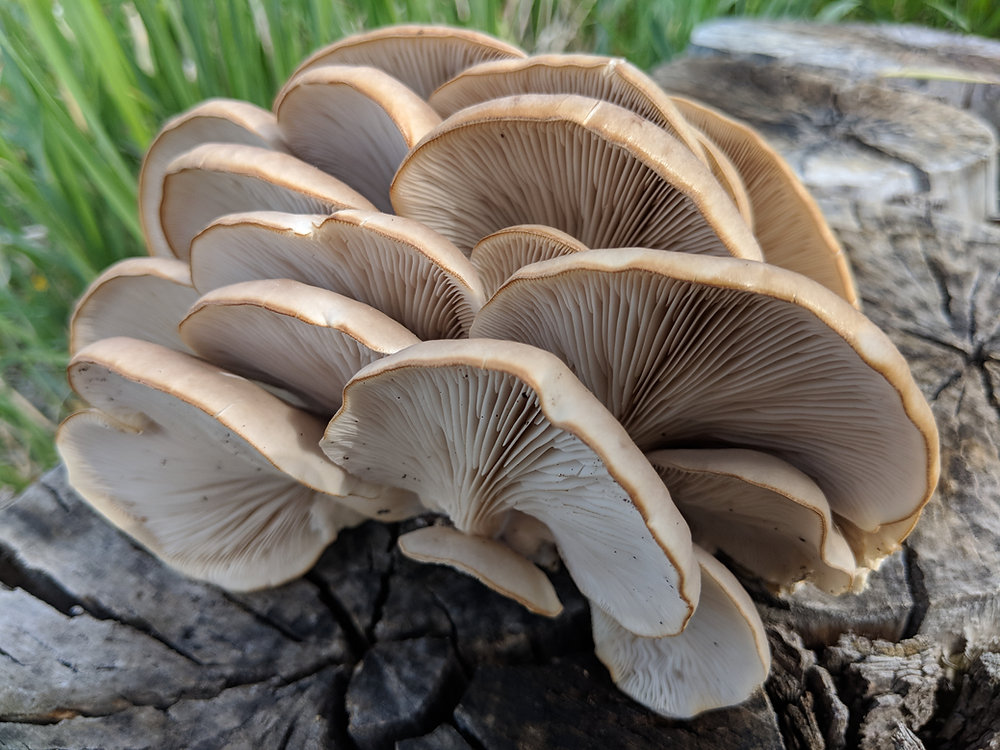
Oyster mushrooms grow on fallen logs and dead hardwood trees. Their fan-shaped caps and white gills make identification easier for beginners. Additionally, they appear in cool spring and fall weather. Many home cooks add oysters to soups, stir-fries, and pasta dishes.
Where to Find Edible Mushrooms in Michigan
Southern Michigan forests produce abundant morels in spring. Meanwhile, northern regions provide excellent summer and fall harvesting grounds. State parks, national forests, and private lands (with permission) offer productive locations. Therefore, always research local regulations before foraging.
Safety Tips for Mushroom Foraging
Correct identification ensures safe consumption. You should carry a reliable field guide and consult experienced foragers when unsure. Moreover, avoid polluted areas near roads or industrial sites. Because some toxic mushrooms resemble edible varieties, careful inspection prevents serious health risks.
Final Thoughts on Michigan Mushroom Hunting
edible mushrooms in michigan provide both culinary delight and outdoor adventure. With proper knowledge, preparation, and caution, you can enjoy a rewarding foraging experience. Ultimately, Michigan’s forests deliver seasonal treasures for anyone eager to explore nature’s bounty.
Reviews
There are no reviews yet.